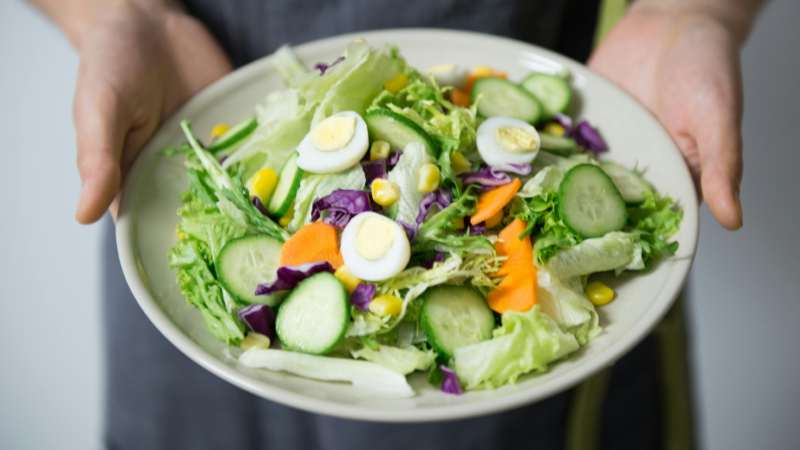
Food plays a powerful role in our everyday lives. It fuels our bodies, supports our health, and shapes the way we feel both physically and mentally. In today’s fast-paced world, many people struggle to maintain balanced eating habits because of busy schedules, convenience foods, and limited time for cooking. However, adopting healthier food habits does not need to be complicated or overwhelming.
This guide is designed to provide practical insights into healthy eating, simple meal ideas, and smart food choices that anyone can follow. The goal is to make nutrition easy to understand and accessible for everyone who wants to improve their lifestyle through better food decisions.
The concept behind healthy fromhungertohope focuses on transforming everyday meals into opportunities for nourishment, energy, and well-being. By learning about ingredients, cooking methods, and balanced meals, anyone can build a healthier relationship with food.
Why Healthy Eating Matters
Healthy eating is one of the most important foundations of a strong and balanced lifestyle. The food we consume provides the nutrients our bodies require to function properly.
A balanced diet helps:
- Maintain a healthy weight
- Strengthen the immune system
- Support brain function
- Improve energy levels
- Reduce the risk of chronic diseases
When people begin making small changes to their diet, they often notice improvements in their mood, productivity, and overall health.
The philosophy of healthy fromhungertohope encourages individuals to focus on gradual improvements rather than drastic diet changes. Even small steps, such as adding more vegetables to meals or reducing processed foods, can make a meaningful difference.
Understanding Balanced Nutrition
To make healthier choices, it is helpful to understand the basics of nutrition. A balanced meal usually includes a mix of several important components:
1. Carbohydrates
Carbohydrates provide the body with energy. Whole grains such as brown rice, oats, and whole wheat bread are better options compared to refined grains.
2. Protein
Protein supports muscle growth and repair. Good sources include beans, lentils, eggs, fish, poultry, nuts, and dairy products.
3. Healthy Fats
Healthy fats are essential for brain health and nutrient absorption. Foods like avocados, olive oil, seeds, and nuts contain beneficial fats.
4. Vitamins and Minerals
Fruits and vegetables contain essential vitamins, minerals, and antioxidants that support overall health and help the body fight diseases.
5. Fiber
Fiber helps improve digestion and plays an important role in keeping blood sugar levels balanced. Good sources include whole grains, fruits, vegetables, and legumes.
Understanding these components makes it easier to create balanced meals that support long-term health.
Simple Ways to Start Eating Healthier
Improving your diet does not require a complete lifestyle overhaul. Instead, small daily choices can gradually build healthier habits.
Eat More Whole Foods
Whole foods such as fruits, vegetables, grains, and legumes contain natural nutrients without unnecessary additives.
Reduce Processed Foods
Highly processed foods often contain excess sugar, salt, and unhealthy fats.
Stay Hydrated
Drinking enough water is essential for digestion, energy, and overall body function.
Cook More Meals at Home
Home-cooked meals allow better control over ingredients and portion sizes.
These simple changes reflect the principles behind healthy fromhungertohope, where everyday eating becomes a pathway toward better wellness and nutrition.
The Importance of Fresh Ingredients
Fresh ingredients are one of the most important aspects of healthy cooking. When meals are prepared using fresh produce and quality ingredients, they naturally contain more nutrients and flavor.
Benefits of fresh ingredients include:
- Higher vitamin content
- Better taste and texture
- Fewer preservatives and additives
- Greater nutritional value
Shopping for seasonal fruits and vegetables can also help improve meal variety while supporting balanced nutrition.
Healthy Cooking Methods
How food is prepared can significantly affect its nutritional value. Some cooking methods preserve nutrients better than others.
Steaming
Steaming vegetables helps retain vitamins and minerals that might be lost through boiling.
Baking
Baking is a healthier alternative to frying because it requires less oil.
Grilling
Grilling enhances flavor while reducing excess fat.
Stir-Frying
Quick stir-frying with minimal oil can keep vegetables crisp and nutritious.
Using healthier cooking techniques is another step toward building a sustainable food routine that reflects the message of healthy fromhungertohope.
Quick and Healthy Meal Ideas
Many people believe healthy meals require complicated recipes or expensive ingredients. In reality, nutritious meals can be simple and affordable.
Here are a few ideas:
- Vegetable Omelet
Eggs cooked with spinach, tomatoes, and onions create a protein-rich breakfast. - Fresh Fruit Smoothie
Blend bananas, berries, yogurt, and milk for a refreshing drink packed with vitamins. - Whole Grain Salad Bowl
Combine quinoa or brown rice with vegetables, beans, and a light dressing. - Homemade Vegetable Soup
A warm bowl of soup made with seasonal vegetables can be both comforting and nutritious.
These meals demonstrate that healthy food can be quick, practical, and enjoyable.
Healthy Snacking Habits
Snacking is often viewed negatively, but healthy snacks can provide energy between meals and prevent overeating later.
Good snack options include:
- Fresh fruits
- Yogurt
- Nuts and seeds
- Whole-grain crackers
- Vegetable sticks with hummus
Developing mindful snacking habits is an important step in maintaining balanced eating patterns.
The Role of Mindful Eating
Key principles include:
- Eating slowly
- Avoiding distractions during meals
- Listening to your body’s hunger signals
- Appreciating the flavors and textures of food
When people practice mindful eating, they often develop healthier relationships with food.
Long-Term Benefits of Healthy Eating
Maintaining nutritious eating habits can lead to long-term benefits that extend far beyond physical health.
Some positive outcomes include:
- Improved mental clarity
- Better digestion
- Stable energy levels throughout the day
- Stronger immune system
- Lower risk of lifestyle-related diseases
Gradually, these positive changes help improve overall well-being and lead to a healthier, more balanced lifestyle.
The approach encouraged by healthy fromhungertohope highlights how consistent food choices can create lasting positive changes.
Building Sustainable Food Habits
Healthy eating should not feel restrictive or temporary. Instead, it should become a sustainable part of everyday life.
To build lasting habits:
- Plan meals in advance
- Keep healthy ingredients available at home
- Experiment with new recipes
- Maintain balance rather than strict limitations
Consistency is more important than perfection when developing healthier food routines.
Final Thoughts
Healthy eating is a journey that begins with simple choices and grows into lifelong habits. By focusing on balanced meals, fresh ingredients, and mindful eating practices, anyone can improve their overall well-being.
The idea behind healthy fromhungertohope is to inspire people to view food not just as a necessity, but as a powerful tool for building healthier and more hopeful lives.
With the right knowledge and practical steps, nutritious eating can become an enjoyable and natural part of everyday living. When people learn to nourish their bodies with better food choices, they move closer to a future filled with energy, health, and possibility.